

Play Poker Games Online

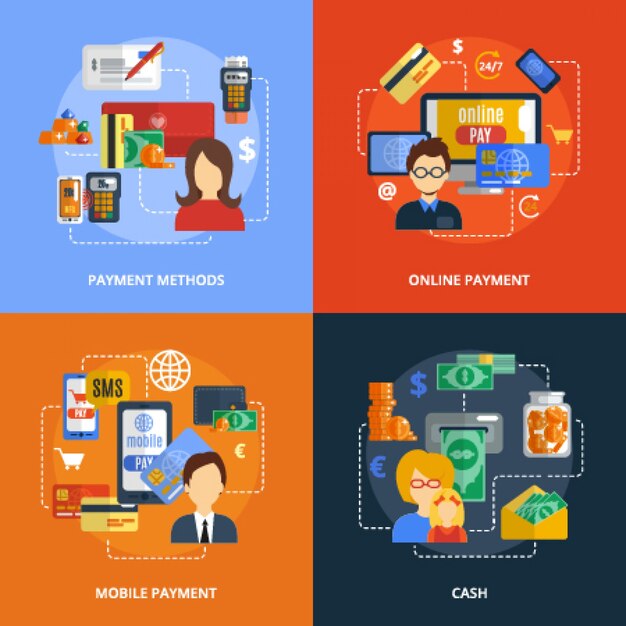
Choose a payout aggregation strategy that simplifies transactions while maximizing revenue. Start with integrating multiple payment methods to cater to diverse customer preferences. Linking to e-wallets, credit cards, and cryptocurrencies can significantly enhance your reach and customer satisfaction.
To optimize your online poker gaming business, it's essential to select effective payout aggregation strategies that enhance the customer experience while improving profitability. Start by integrating various payment methods, including e-wallets and cryptocurrencies, to accommodate different player preferences. It's also crucial to implement real-time reporting tools that help you track transactions and identify trends that can inform your service offerings. Additionally, fostering security through advanced fraud detection systems instills confidence in your players. For a deeper understanding of payout aggregation methods, explore more at betestate-online.com to align your business model with industry best practices and grow your customer base.
Implement automated reporting tools for real-time tracking of all transactions. These tools provide insights that refine decision-making and uncover patterns in customer behavior, guiding your business toward better offerings.
Regularly assess and optimize your fee structures. Analyze costs associated with each payment method and negotiate better rates with payment processors. This can lead to better profit margins and an improved bottom line.
Incorporating fraud detection systems is crucial. Invest in advanced security measures to protect both your business and your customers, fostering trust and encouraging repeat transactions.
Offer incentives for customers who choose particular payment methods. Discounts or loyalty points can drive preferences towards options that are more beneficial for your financial model.
Keep your systems up-to-date to accommodate new payment technologies. Staying ahead allows you to adapt quickly to market demands and customer expectations.
To streamline your financial operations, consider adopting payout aggregation models that suit your business needs. One effective model is the Direct Payout Model. This approach enables businesses to send payments directly to service providers or vendors without intermediaries, minimizing transaction fees and speeding up payout times.
An alternative is the Third-Party Aggregator Model. This option allows you to use a payment processor that manages and consolidates payouts on your behalf. It simplifies tracking and reconciliation while improving cash flow management. Select a reliable aggregator that offers transparency in fees and services.
For companies working with multiple currencies and regions, consider the Multi-Currency Payout Model. This model facilitates payments in various currencies, making it easier to engage with global partners. Look for solutions that provide favorable exchange rates and low conversion fees.
Lastly, the Batch Payment Model might fit your operational needs. This method allows businesses to group multiple payouts into one transaction, reducing time spent on processing individual payments. Evaluate tools that can automate batch processing to enhance efficiency.
Each of these models has its advantages and can be customized to align with your business's payout strategies. Analyze your specific requirements and choose a model that optimizes your payment processes.
Identify your business needs first. Determine the volume of transactions, the frequency of sales, and your customer demographics. This information will guide you toward the most suitable aggregation method.
Examine your industry standards. Different sectors rely on specific practices, so understand what competitors are doing. Research common aggregation methods within your niche to make an informed decision.
Consider transaction speed. If you handle high volumes, opt for methods that support rapid processing times. Choose solutions that minimize delays to enhance customer satisfaction and retention.
Evaluate your target audience. Analyze their payment preferences. Offering diverse payment options can increase conversion rates. Tailor your aggregation method to align with customer expectations.
Look at security features. Ensure that any chosen method complies with industry regulations and provides robust fraud protection. A secure payment environment builds customer trust.
Monitor scalability. Anticipate future growth and choose a method that can adjust as your business expands. A scalable solution accommodates increasing transaction volumes with ease.
Lastly, weigh costs. Analyze transaction fees, monthly charges, and any hidden costs associated with your chosen method. Select an option that offers a balance between affordability and functionality.
Begin your integration process by evaluating your current payment system's architecture. Identify which payment gateways and APIs you already utilize. These insights will allow you to pinpoint where aggregation solutions can seamlessly fit into your existing structure.
Next, select an aggregation service that aligns with your business needs and supports the payment methods you require. Check compatibility with your current gateways to avoid any disruptions. Look for solutions that offer robust API documentation and customer support to ensure a smooth implementation process.
Focus on the transaction flow. Most aggregation solutions provide a unified interface, simplifying how payments are processed. Make adjustments to your backend to incorporate this new layer, ensuring that transactions are routed correctly. Test the flow thoroughly to identify and resolve potential issues before going live.
Implement analytics tools to monitor the performance of the aggregation solution. Analyze transaction data to gain insights into customer behavior and optimize your offerings. Regularly review these metrics to adjust your strategy as needed, enhancing both customer experience and operational efficiency.
Maintain ongoing communication with your payment solution provider. Share feedback and insights on integration challenges. Building a relationship can lead to faster resolutions and future enhancements.
Finally, train your team on the new system. Ensure everyone understands how to navigate the updated payment processes. Regular training sessions can empower your staff and also encourage them to provide valuable input on optimizing the integration.
Evaluate your payout aggregation strategy through a detailed cost-benefit analysis. Start by identifying key costs associated with each method, such as transaction fees, integration expenses, and ongoing maintenance. For instance, payment processors might charge variable fees based on transaction volume and currency conversion. Accumulate estimates to create a clear picture of your financial obligations.
Next, project the benefits. Improved cash flow management is often the most significant advantage. Aggregation can expedite payout cycles, enhancing liquidity. Increased transaction speed can lead to better customer satisfaction, which directly influences retention and repeat purchases. Consider measuring these benefits in terms of percentage improvement in cash flow and customer retention rates.
| Aggregation Method | Estimated Costs | Projected Benefits |
|---|---|---|
| Direct Bank Transfers | %%CONTENT%%.50 per transaction | Faster settlement times, increases in customer satisfaction |
| Payment Service Providers | 2.9% + %%CONTENT%%.30 per transaction | Global reach, diversified payment options |
| Cryptocurrency Payments | Variable fees based on network | Lower processing fees, access to a growing market segment |
Analyze your data to find the most beneficial method. Calculate the break-even point, where costs and benefits align. A method with high initial costs might be justifiable if it significantly improves cash flow and customer satisfaction over time.
Consider scalability. Select a payout method that can adapt as your business grows. A method requiring minimal adjustments–like automated systems for managing payouts–can save time and resources long-term. Evaluate your current and future transaction volumes to ensure the selected approach meets evolving demands.
Lastly, regularly review your chosen method against industry benchmarks. Staying informed about advancements can reveal better options. Schedule periodic assessments to ensure continued alignment with business goals and financial objectives.
Ensure your payout aggregation methods comply with industry regulations such as PCI DSS for payment data security. Regularly audit your processes to maintain compliance and address any vulnerabilities.
Implement multi-factor authentication (MFA) for all users accessing payout systems. This adds an essential layer of security, protecting sensitive financial information from unauthorized access.
Utilize encryption for data both at rest and in transit. Employ strong encryption standards like AES-256 to safeguard sensitive data and meet regulatory requirements.
Monitor transactions in real-time for suspicious activity. Utilize machine learning algorithms to identify and flag anomalies that could indicate fraud, allowing for immediate action.
Conduct regular staff training sessions focused on security awareness. Equip your team with knowledge about potential threats and safe practices to mitigate risks associated with payout management.
Use secure APIs and vet third-party providers carefully. Ensure any service you integrate adheres to security best practices and complies with relevant regulations to protect your business and customers.
A prominent example of successful payout aggregation is Company X, a thriving e-commerce platform. By integrating multiple payment processors into a single interface, they streamlined transactions, allowing customers to choose their preferred payment method. Their operation saw a 30% increase in conversion rates due to the improved payment experience.
In the fintech sector, Company Y utilized a payout aggregation strategy to facilitate faster disbursements for its peer-to-peer lending service. By consolidating various funding sources, they reduced the average payout time from 48 hours to just 15 minutes. Customers appreciated the improved speed, leading to a higher retention rate of 25% among existing users.
Company Z, a subscription-based service, adopted payout aggregation methods to manage recurring payments effectively. By centralizing payment processing, they minimized errors and automated invoicing cycles, which resulted in a 20% decrease in administrative workload. Their streamlined operations allowed them to focus on customer engagement and service enhancements.
A notable case in the gig economy is Company A, which implemented payout aggregation to pay freelancers. They offered various payout options, including bank transfers and digital wallets, within a single dashboard. This flexibility led to a 40% increase in freelancer satisfaction, as they could choose how and when to receive funds.
Company B in the travel industry employed payout aggregation to manage commissions for travel agents. By consolidating all payments through a single platform, they ensured timely and accurate disbursements, boosting agent trust and loyalty. This strategy improved agent retention by 15% and enhanced overall sales performance.
Integrating payout aggregation can significantly enhance business operations, as demonstrated by these companies. The focus on user experience and operational efficiency drives growth and fosters stronger customer relationships.